

Becoming a Good Language Learner
(Or at least acting like one.)

I used to teach English as an additional language to reluctant teenagers. Three extra hours a week after a full school day was not their idea of fun.
For a long time, I tried “tricking” them into learning with games, points and videos. This worked for a while, but inevitably, they’d get bored and ask to play a game while we were playing a game.
As a teacher, I couldn’t win. As learners, most learned enough to pass exams and get certificates, but few fell in love with the language or the process of learning.
One year, I decided I’d had enough.
I decided that instead of trying to create “the best” language classes possible, I was going to cultivate “the best” language learners possible, and have faith in the process.
This changed everything.
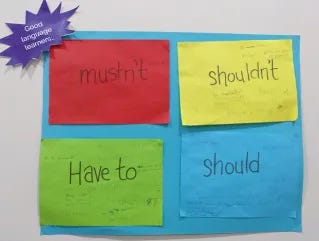
In our first lesson, I had students work together to come up with a list of behaviors exhibited by “good language learners”. For example, they’d come up with “good language learners speak in English during class time” or “good language learners do their homework.”
This list became our classroom rules.
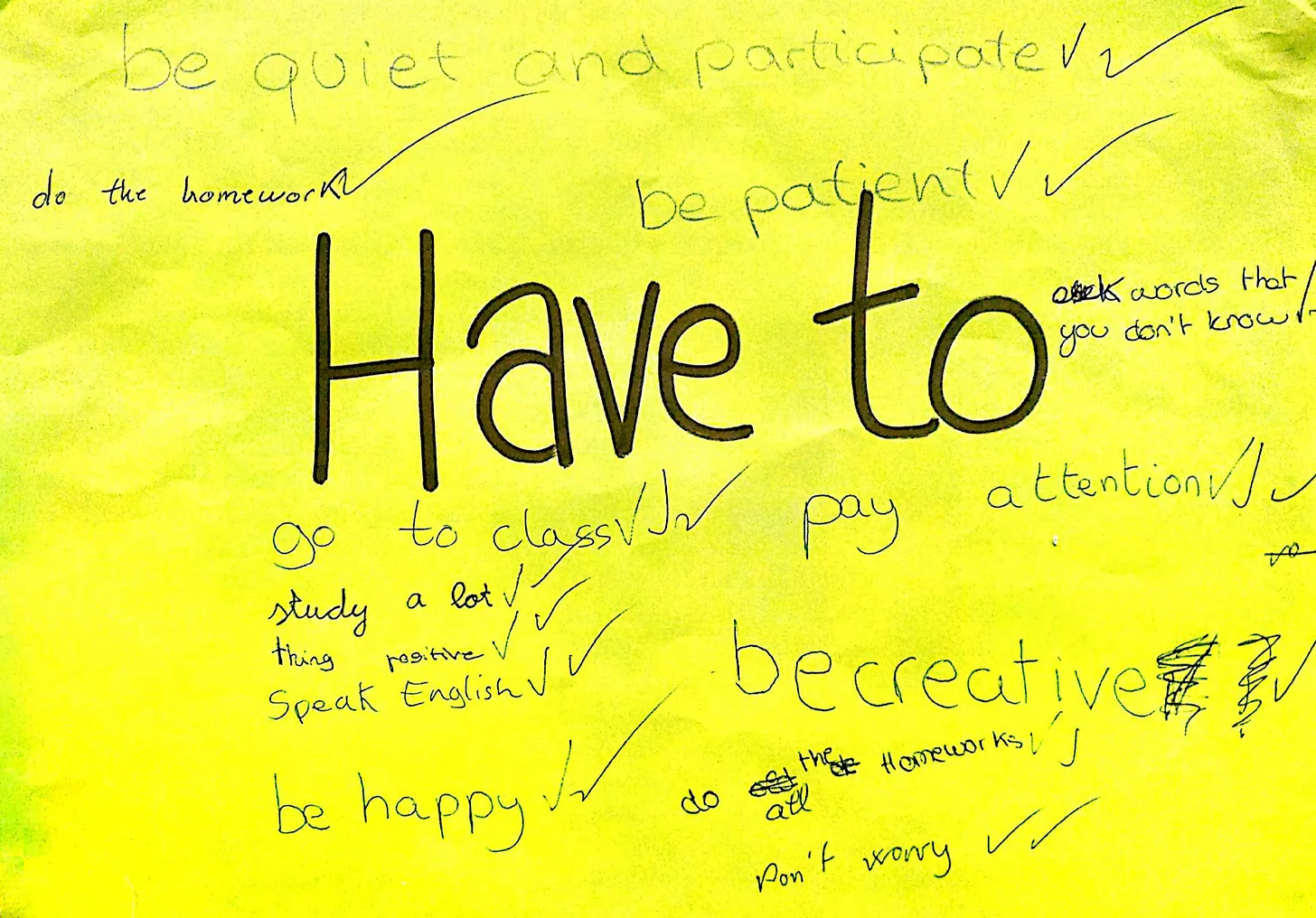
Approaching this exercise as “good language learners” gave them a (tiny) stake in that identity and they became active participants in their learning.
I treated them like responsible learners. For example, after each progress test, I had them write simple reflections about how effective their learning strategies had been. This forced them to evaluate their behaviors and plan for the future.
We still played games, but everyone agreed they were a way to test or review something we had learned. Grammar exercises, writing or reading became ways to grow our knowledge, not a cruel punishment we had to endure. We celebrated our learning and shared best practices.
Over time, some of them became the kinds of people who read in their target language. Some of them started watching series in the original version. Some of them ventured into online communities through English.
Throughout the course, these teenagers started to see themselves as more than “students.” They began to act like “good language learners.”
This was not a magic bullet. I still needed to be in close contact with some parents and some students still did the bare minimum. But I share this insight because as a teacher, I definitely saw a difference between a “gamification” approach and an “identity-based” approach.
By acting in accordance with their best-selves, my students discovered a joy of learning and learned more than they had when we just played games.
That experience shaped the way I think about language learning more broadly.
Some of us start learning languages through apps, games or entertaining videos on YouTube. Those are fantastic ways to experiment and get started.
But if you want to go further, it helps to adopt the identity of a “good language learner.”
A good language learner does more than maintain a streak. They do grammar exercises. They practice speaking and writing, even when it feels uncomfortable. They stay curious. They make mistakes and learn from them.
If you act like a good language learner, you might become one, too.
How to Act like a Good Language Learner
1. Get organized and set a clear goal.
Have a designated system for notes and review. Decide what you’re working toward. A vague desire to “improve” is rarely enough. Clarity makes action easier. (If you need help, I’ve written about notebooks and goal-setting elsewhere.)
2. Make a simple plan.
Choose your approach. That might mean signing up for a class, working with a teacher, or building your own self-study routine. (Fresh Foundations, Routine Refresh, or a creating a personal curriculum are all ways of structuring this). Take that step.
3. Be prepared for the hard parts.
You can’t be a good language learner if you give up when it gets uncomfortable. Expect confusion. Expect embarrassment. Prepare for it. Create a short list of quick wins to rebuild momentum. Decide in advance how you’ll respond when you feel frustrated. Learn how to repair communication breakdowns early. Build up phrases for asking people to repeat, slow down, or let you try again.
4. Reflect and adapt.
Language learning has seasons. Some approaches will work for a while and then stop working. That’s normal. Instead of interpreting that as failure, treat it as information. Adjust your plan and continue.
Start with these simple behaviors, then keep going. That’s how good language learners are made.
I’ve also recorded a short podcast episode on this topic, you might enjoy!
Thank you so much for reading Love to Lingo 🤍 If you find this newsletter to be a useful tool in your language learning kit, please consider buying me a coffee, restacking this post, or recommending it to someone who might enjoy it.
If you haven’t already, I also encourage you to check out the ready-made language learning notebooks I’m selling through Amazon (for now). They’re a simple way to keep your learning organized and motivating.
Happy Language Learning! 🤍
This is such a powerful shift — from designing better classes to cultivating better learners.
The identity piece feels underrated to me... Once someone sees themselves as “a language learner,” their behaviors start to align and intrinsic motivation kicks in. Of course, tools and strategies also play an important role, but identity seems to drive consistency... which is the achilles heel of many students in todays AI world (so easy to ask AI to do your homework for you...)
Especially in foundational areas like literacy and vocabulary, that internal shift feels more durable than any short-term tactic.
Really enjoyed this perspective.